

Health authorities are unanimous: avoid CBD during pregnancy and breastfeeding, just like THC or any other cannabis derivative. The FDA strongly advises against it due to a lack of sufficient human clinical data, and recent animal studies raise concerns about fetal development. If you have already used CBD, speak openly with your doctor or midwife: the priority is to ensure appropriate monitoring, not to make you feel guilty.
In short:
- Animal studies show risks to brain development and fertility associated with in utero CBD consumption, which justifies its classification as a presumed toxic substance.
- CBD can pass into breast milk due to its lipophilic nature, but no precise data has yet been available to quantify this transmission.
- French, American and Canadian health agencies recommend avoiding all CBD during pregnancy and breastfeeding as a precautionary measure, due to a lack of evidence of safety.
- The quality of CBD products is often compromised by contamination or undeclared traces, further increasing the risks for pregnant or breastfeeding women.
- If you have used it previously, it is advisable to stop immediately, inform your healthcare professional and follow their recommendations for appropriate follow-up.
Table of Contents
- CBD and pregnancy: what exactly are we talking about?
- What do scientific studies really say about CBD and pregnancy?
- What are the risks to the baby's development?
- Does CBD pass into breast milk during breastfeeding?
- Why the quality of CBD products worsens the problem
- What do the FDA, ANSES and Health Canada officially recommend?
- What are some safe alternatives for nausea, anxiety, and sleep disorders?
- I have already consumed CBD while pregnant: what should I do now?
- Buddhafarms' thoughts on using CBD during pregnancy
- Discover quality CBD, for the moments when it has its place
- Sources
- Frequently Asked Questions
CBD and pregnancy: what exactly are we talking about?
Cannabidiol, or CBD, is one of the active compounds extracted from hemp. Unlike THC (tetrahydrocannabinol), it has no psychoactive effects and does not produce a high. This distinction reassures many expectant mothers, but it does not mean that CBD is harmless to the body, especially during pregnancy.
The market today offers a multitude of forms: sublingual oils, flowers for infusion or smoking, gummies, infusions, cosmetics, and even fortified drinks. Each format changes the speed and amount of CBD that reaches the bloodstream, but all share a key characteristic: CBD is a lipophilic molecule, meaning it dissolves easily in fats.
This property has a direct and documented consequence for pregnancy. A lipophilic molecule crosses the placenta more easily and can accumulate in adipose tissues, including those of the fetus. The same mechanism explains why it can then be found in breast milk after birth, a point we will detail later.
Another, less well-known issue further complicates matters: not all products sold as "CBD" are THC-free. Analyses have revealed the presence of contaminants and undeclared cannabinoids in some batches, including those labeled "0% THC." In short, here's what you need to know about the different forms of CBD and their implications:
- Oils and tinctures pass rapidly into the bloodstream via the sublingual route, with bioavailability varying greatly from one product to another.
- Smoked or grated flowers also expose you to combustion substances, an additional documented risk for any pregnancy.
- Gummies and infusions have a slower action, but the uncertainty about the actual dosage remains the same.
- CBD-based cosmetics generally pose a lower risk of skin absorption, but not zero depending on the concentration and the area of application.
Understanding these basic mechanisms helps to grasp why health agencies insist so much on caution, even for products presented as natural or gentle.
What do scientific studies really say about CBD and pregnancy?
The current state of knowledge can be summed up in one sentence: there are virtually no controlled clinical trials in pregnant women. The available human data remains observational, which prevents establishing a solid causal link between a dose of CBD and a specific effect on pregnancy. This lack of evidence is not proof of safety; it simply indicates that research does not yet have the ethical means to test the molecule directly on pregnant women.
This is where animal studies take over, with results that have motivated a regulatory shift.
What animal studies show 2023-2024
Studies published between 2023 and 2024, conducted in Aix-Marseille and Colorado, observed changes in brain development in offspring exposed to CBD in utero. These alterations affect areas associated with memory and behavior, with effects that sometimes persist after birth in the animals studied.
These results heavily influenced ANSES's decisionto propose, in 2025, classifying CBD as category 1B, meaning a substance presumed toxic to human reproduction. This classification is based on effects observed in animals: impaired fertility, changes in fetal development, and, in some protocols, increased perinatal mortality.
Key takeaway: In 2025, ANSES proposed the H360FD classification for CBD, a category reserved for substances for which animal studies suggest a potential risk to human reproduction. This is a recent regulatory development, not yet a clinical certainty, but it is changing how healthcare professionals communicate with their patients.
However, these studies have real methodological limitations that must be understood in order to avoid overinterpreting the results:
- The doses administered to animals are often much higher than those a person would normally consume, making the extrapolation to humans uncertain.
- CBD metabolism differs between animal species, and an effect observed in rodents does not mechanically translate to humans.
- The routes of administration tested in the laboratory (injection, gavage) do not always correspond to actual consumption (oral, sublingual, inhaled).
- The sample sizes generally remain modest, which limits the statistical power of the conclusions.
This uncertainty, far from justifying cautious use of CBD during pregnancy, is instead pushing health agencies toward the precautionary principle. A clinical review published on PMC concludes that no level of cannabis consumption is considered safe during pregnancy and the postpartum period, and recommends encouraging abstinence rather than seeking an acceptable threshold. This message applies to cannabis as a whole, including CBD, since the lack of data prevents the establishment of a dose deemed safe.
What are the risks to the baby's development?
The risks identified by current research primarily concern three areas: neurological development, the course of childbirth, and fetal growth. None of these risks have been definitively established in humans, but several indicators converge sufficiently to warrant caution.
The most commonly cited mechanism involves the placental transfer of CBD, facilitated by its lipophilic nature. Once in the fetal circulation, the molecule and its metabolites can accumulate in fatty tissues, including the developing brain. It is precisely this accumulation that animal studies link to the alterations observed in exposed offspring.
The most documented potential effects
- Alterations in brain development affecting memory and attentional functions have been reported in several animal models exposed in utero.
- Cognitive disorders which, in animals, sometimes persist well after birth.
- An increased risk of premature birth is suggested by some data, although a precise causal mechanism has not yet been confirmed in humans.
- A possible interference with fetal growth, an area still little explored but monitored by researchers.
Key point: ANSES based its 2025 classification proposal on effects observed in animals affecting both fertility and fetal development, a signal consistent enough to justify a regulatory reclassification.
One aggravating factor deserves particular attention: co-exposure. Many women who use CBD during pregnancy also do so, whether intentionally or not, in combination with tobacco, alcohol, or traces of THC present in mislabeled products. This combination makes it very difficult to isolate the specific effect of CBD in observational studies in humans, and it potentially multiplies the risks rather than simply adding them together.
In the end, the level of evidence remains limited but consistent: animal studies point in a worrying direction, the absence of human trials prevents it from being confirmed or refuted, and this grey area explains why official recommendations all lean towards avoidance rather than a dose deemed "reasonable".
Does CBD pass into breast milk during breastfeeding?
Yes, and the mechanism is the same as for the placenta: CBD's lipophilicity facilitates its passage into breast milk, which is itself rich in fats. Health Canada's perinatal health guide explicitly warns about this transfer and the lack of reassuring data regarding cannabinoids during breastfeeding.
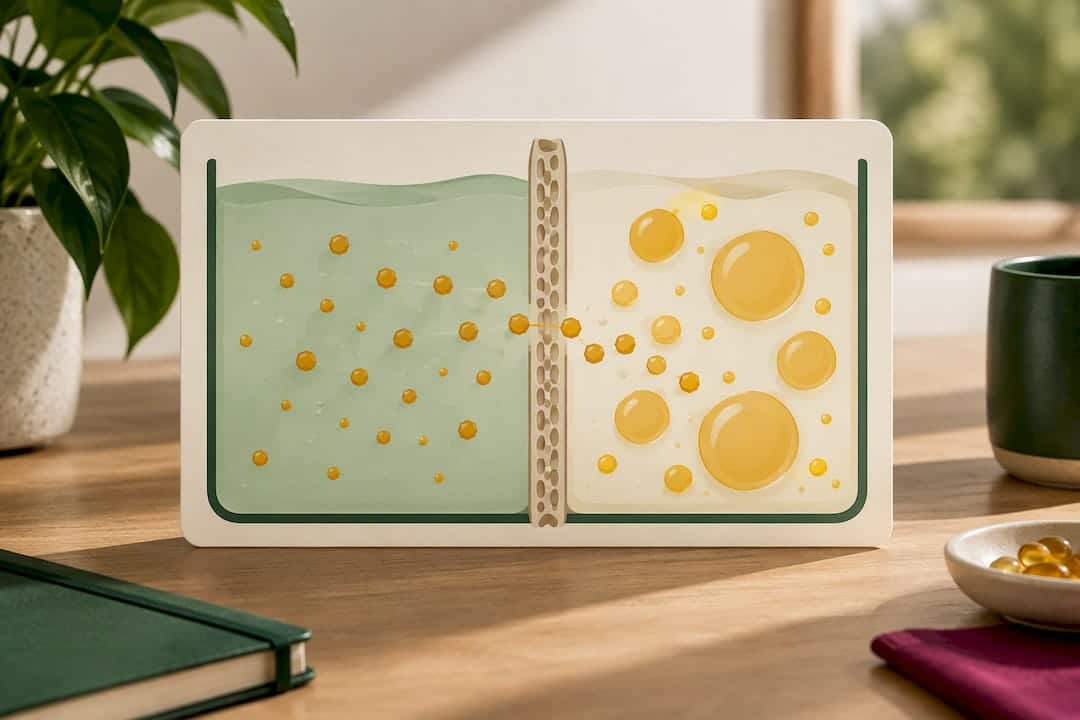
Direct evidence regarding CBD remains scarce, but older studies on THC offer useful insight into this type of transfer. THC is known to accumulate in fatty tissue and be excreted in breast milk over a prolonged period, sometimes several weeks after the last use. There is no indication that CBD deviates from this pattern, which explains the caution of Canadian authorities despite the lack of specific studies.
In practical terms, here's what this means for a breastfeeding mother:
- Consumed CBD can be found in milk at concentrations that are not, to date, reliably quantified.
- CBD metabolites can persist in the maternal body longer than the molecule itself would suggest.
- Scientific uncertainty justifies avoiding any product containing CBD or THC for the entire duration of breastfeeding.
- This caution should never lead to interrupting breastfeeding without prior discussion with a healthcare professional, as breastfeeding also provides well-established benefits.
If you are breastfeeding and have recently taken CBD, the question to ask your midwife is not "Should I stop breastfeeding?" but rather "What timeframe and follow-up do you recommend in my situation?" The answer will depend on the dose, frequency, and specific product used.
Why the quality of CBD products worsens the problem
Even setting aside concerns about the molecule itself, the quality of the CBD market presents a distinct and documented problem. Analyses of products in circulation have revealed the presence of heavy metals, pesticides, and mold in some batches, as well as cannabinoids not declared on the label.
This potential contamination particularly affects inexpensive or poorly traced products, but it doesn't entirely spare brands that display certificates of analysis. A certificate of analysis (or COA) attests to the composition of a tested batch at a given time: it remains a useful tool for transparency, but it doesn't guarantee the absence of variation between batches, nor the safety of CBD itself during pregnancy.
The main risks associated with product quality include:
- Traces of undeclared THC, even in products labeled "0% THC", have been shown by several independent analyses.
- Environmental contaminants (heavy metals, pesticide residues) from poorly controlled crops.
- Mycotoxins can develop during improper drying or storage of flowers.
- Variability in CBD concentration from batch to batch makes any theoretically "safe" dosage difficult to achieve in practice.
Pro tip: If you ever buy hemp products for strictly non-pregnancy use, always check that the seller provides a batch analysis certificate and not just a generic document for the entire range. This is a minimum level of traceability, but keep in mind that no certificate makes CBD compatible with pregnancy or breastfeeding.
This dual problem—that of the molecule itself and that of product quality—explains why official recommendations don't simply say "choose quality CBD." The caution extends to the substance itself, regardless of its purity.
What do the FDA, ANSES and Health Canada officially recommend?
The positions of the health agencies are converging, despite differing methodologies and dates. Here is the actionable summary to remember:
- The FDA strongly advises against any use of cannabis, CBD or THC, during pregnancy and breastfeeding, in the absence of data establishing safety for the fetus or infant.
- , ANSES proposed classifying CBD in category 1B, a substance presumed to be toxic to human reproduction, based on animal studies on fertility and fetal development.
- Canadian authorities recommend, in their perinatal health guide updated in 2026, avoiding all CBD during pregnancy, emphasizing its passage into breast milk and the lack of reassuring human studies.
- The World Health Organization publishes general information on cannabidiol that calls for caution whenever the available data remains insufficient for a given population.
In practical terms, this means that no major health agency recommends the use of CBD, even in low doses, during pregnancy or breastfeeding. This message is consistent across continents, which is rare for a substance that has been studied so recently.
The practical application of these principles can be summarized in three simple points. Avoid all products containing CBD or THC during pregnancy and breastfeeding, regardless of the form. Never replace medically approved treatments (for nausea, anxiety, or pain) with CBD, even as a supplement. And speak openly with your doctor, midwife, or gynecologist if you are considering or have already used CBD, without fear of judgment.
What are some safe alternatives for nausea, anxiety, and sleep disorders?
Many women turn to CBD because it's perceived as a "natural" solution to minor pregnancy discomforts. The paradox is that chronic cannabinoid use can actually worsen nausea through a syndrome known as cannabinoid hyperemesis gravidarum (CHG), which causes cyclical vomiting. The remedy perceived as natural can therefore become the source of the problem.
Fortunately, proven options exist and deserve to be discussed with your medical team rather than dismissed in favor of CBD.
For pregnancy nausea
- Dietary adjustments (frequent small meals, avoiding triggering odors) remain the first recommended line of action.
- Vitamin B6, sometimes combined with doxylamine, is a validated and commonly offered first-line treatment.
- Acupuncture or pressure bracelets, depending on your midwife's advice, may provide relief for some patients.
For anxiety and sleep
- Relaxation techniques (breathing, sophrology, guided meditation) offer documented benefits without any known risk to the fetus.
- Good sleep hygiene (regular sleep schedule, limiting screen time in the evening, positioning with a pregnancy pillow) often improves the quality of rest without the need for medication.
- Perinatal physiotherapy helps to relieve certain lower back or pelvic pains that disrupt sleep.
Pro tip: If anxiety or sleep problems become overwhelming, don't wait for your next routine appointment. Ask for a referral to a perinatal psychiatrist or a midwife specializing in perinatal care: these professionals are familiar with medication options that have been thoroughly evaluated in perinatal care, unlike CBD, which has never been tested in this context.
For more severe pain, only a healthcare professional can assess the medication options compatible with your pregnancy. They will also be able to refer you, if necessary, to an addiction specialist if you have been regularly using cannabis or CBD before becoming pregnant.
I have already consumed CBD while pregnant: what should I do now?
If you consumed CBD before you knew you were pregnant, or during your pregnancy, here is the procedure to follow, in order.
- Stop using it now, without feeling guilty. Many women only discover their pregnancy several weeks later, and retroactive worry doesn't help at all.
- Note the details of your consumption : form of the product (oil, flower, gummies), approximate dose, frequency, and dates. This information will help your healthcare professional accurately assess the situation.
- Contact your doctor, midwife, or maternity ward to share this information openly. They are not seeking to make a moral judgment, but a medical assessment.
- Consider appropriate follow-up if your healthcare professional deems it necessary: follow-up ultrasound, monitoring of fetal growth or specific advice for the neonatal period.
- Seek support from a perinatal addiction specialist if quitting proves difficult or if substance use was regular. These services (such as CSAPA centers) offer non-judgmental support specifically designed for pregnant women.
Nothing you consumed before reading this article is irreversible. The most helpful step, starting today, is to transform your anxiety into information shared with the right people.
Buddhafarms' thoughts on using CBD during pregnancy
The CBD vendor emphasizes an approach based on traceability, legal compliance, and providing informed customers. This requirement also applies, and perhaps especially so, when the honest answer is: this product is not right for you at this particular time. Our article dedicated to cannabis during pregnancy delves deeper into some of these risks for expectant mothers who wish to explore the topic further.
Our position is simple and does not vary depending on the product sold: we do not recommend CBD during pregnancy or breastfeeding. Recent animal data and the complete absence of human clinical trials justify a cautious approach that we prefer to take rather than downplay in order to sell a product. Providing accurate information, including when it means advising against a purchase, is part of what we consider an ethical approach in a sector that is still young and poorly regulated.
If you are experiencing a difficult pregnancy with nausea, sleep problems, or anxiety, your best resource remains your healthcare professional, not our catalogue.
— Fred
Discover quality CBD, for the moments when it has its place
Since 2018, Buddhafarms has selected organic hemp products that are traceable from field to shipment, with quality control that goes beyond the label. This rigor does not change our message regarding pregnancy: it is not the time to use CBD, regardless of the brand.

However, once pregnancy and breastfeeding are over, if you're looking to explore CBD for relaxation or sleep, our range of CBD flowers and CBD oils comes with batch analysis certificates—a level of traceability that few brands apply so consistently. You can also consult our guide on CBD bioavailability to understand how to choose a dosage suited to your needs, once this period of caution has passed. Browse our shop when the time is right for you.
This article provides general information and is not a substitute for professional medical advice. Consult a qualified healthcare professional about your specific situation before taking any action based on this content.
Sources
- What You Should Know About Using Cannabis, Including CBD, When Pregnant or Breastfeeding | FDA
- ANSES proposes cannabidiol (CBD) be classified presumed human reproductive toxicant
- Use of cannabis during pregnancy and postpartum — PMC article
- Studies on the risks associated with CBD consumption – July 2024
Frequently Asked Questions
Is CBD dangerous during pregnancy?
The exact level of risk is not established in humans, due to a lack of clinical trials, but animal studies from 2023-2024 show alterations in brain development that are concerning enough for the FDA and ANSES to recommend avoiding CBD as a precaution.
Can CBD be taken for morning sickness?
No, it's not recommended: chronic cannabinoid use can even worsen nausea through cannabinoid hyperemesis syndrome. Vitamin B6 combined with doxylamine remains the validated option to discuss with your midwife.
Does CBD pass into breast milk?
Yes, its lipophilic nature facilitates its passage into breast milk, as highlighted in Health Canada's perinatal health guide. Precise data is still lacking, which justifies avoiding all CBD during breastfeeding.
I took CBD without knowing I was pregnant, should I be worried?
Stop consumption and inform your doctor or midwife without delay, specifying the form, dose and frequency.
Is CBD different from THC in terms of risks during pregnancy?
Unlike THC, CBD has no psychoactive effects, but both molecules are lipophilic and cross the placenta. Health agencies, including the FDA, advise against the use of both substances during pregnancy due to a lack of reassuring data.
Does Buddhafarms sell products recommended for pregnancy?
No, no CBD product is suitable for use during pregnancy or breastfeeding, at Buddhafarms or elsewhere. Our range of flowers and oilsremains intended for adults not affected by these periods.


