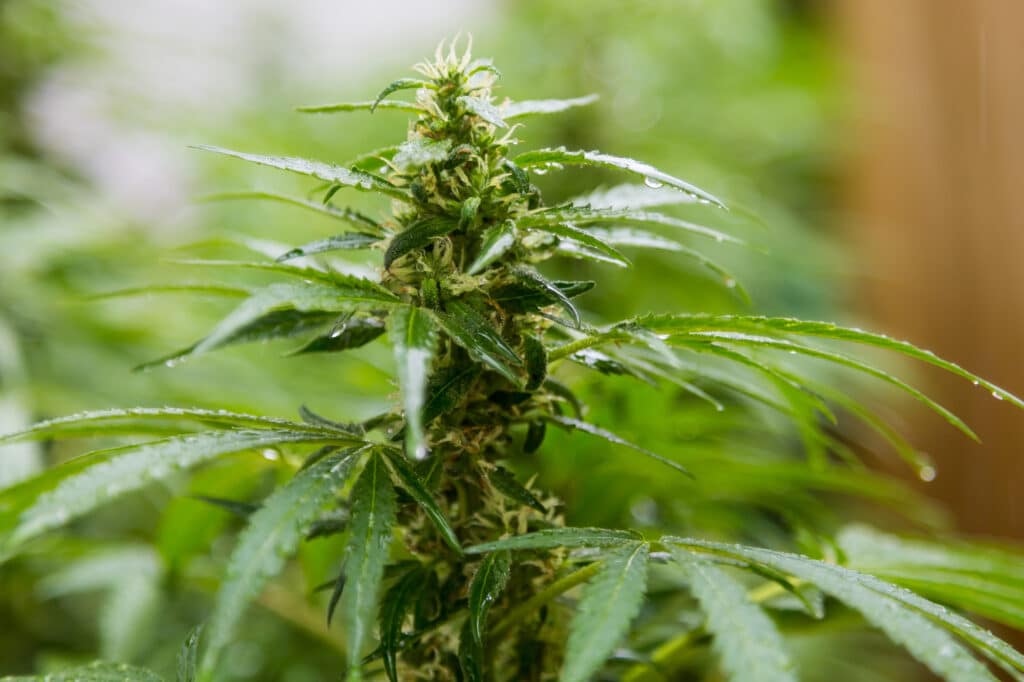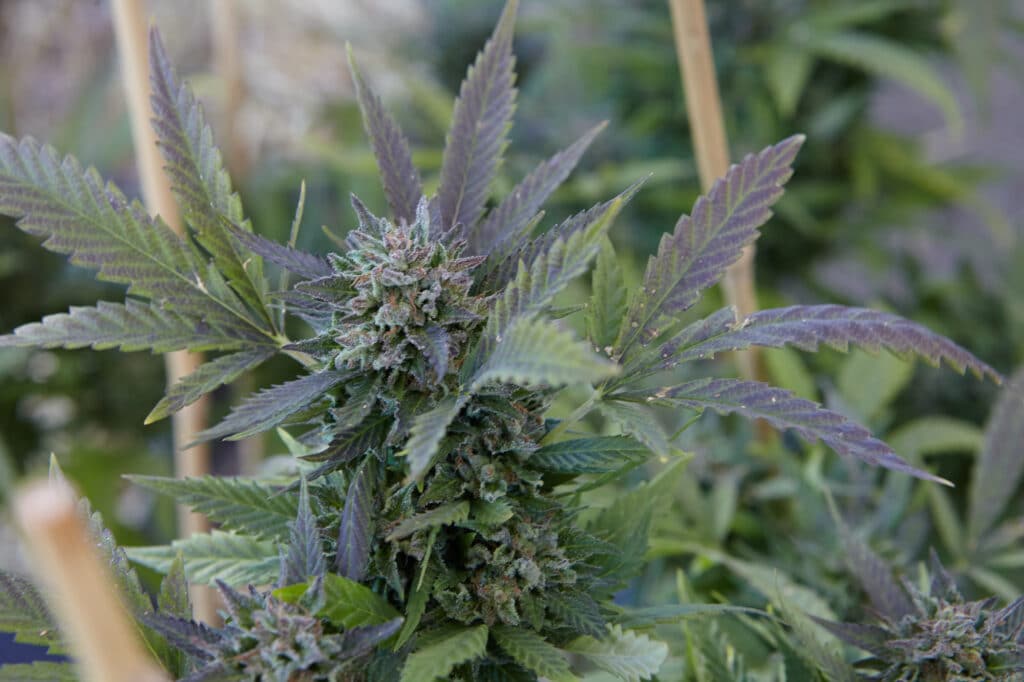

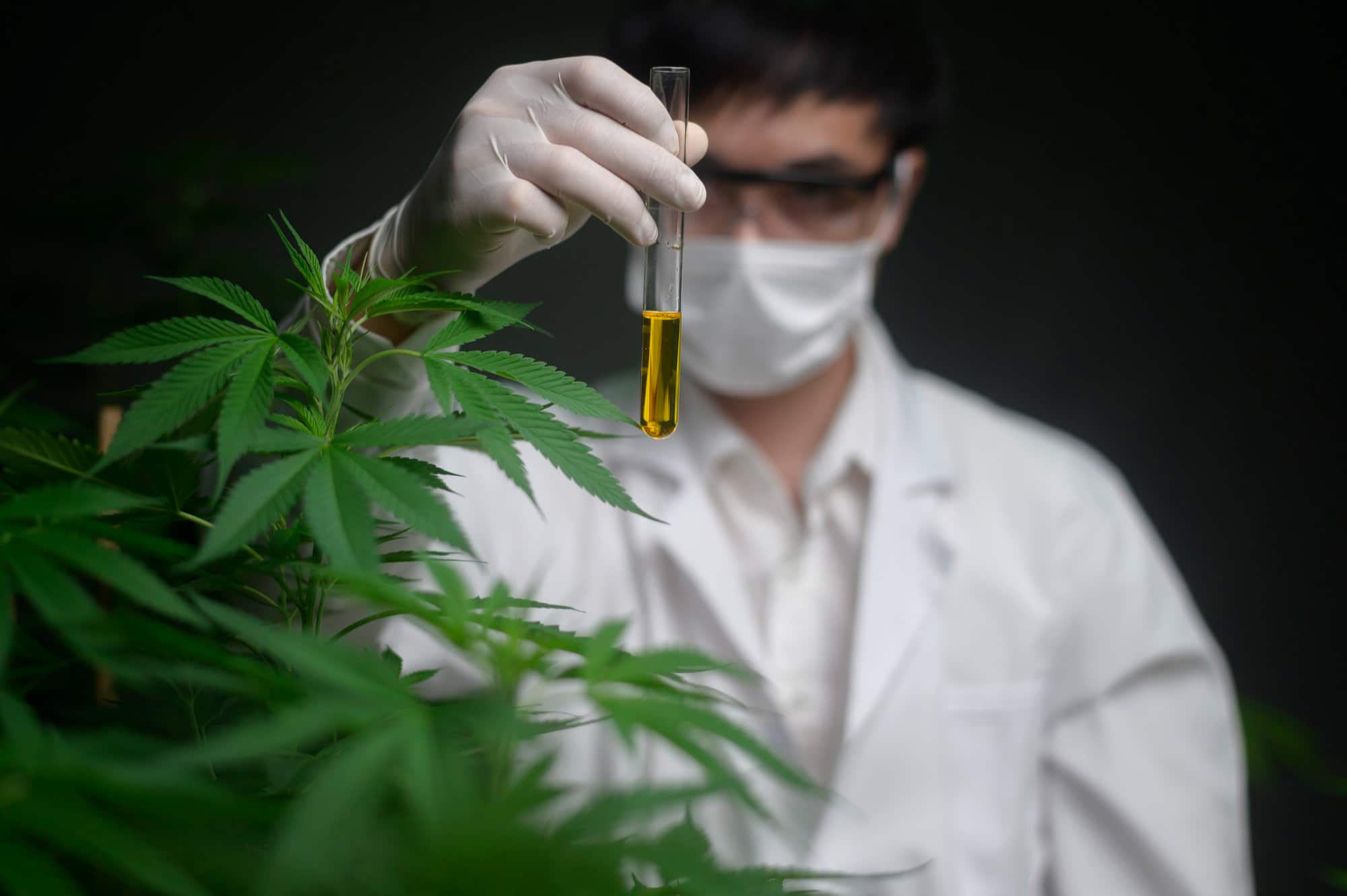


Cannabidiol, more commonly known as CBD , is a naturally occurring compound in cannabis that has garnered increasing interest in recent years due to its numerous potential health benefits. Unlike THC, CBD has no psychoactive effects, making it an attractive option for those seeking the therapeutic properties of cannabis without altering their mental state. In this article, we will analyze the various benefits attributed to CBD, examine the available scientific evidence for each benefit, and discuss ongoing studies as well as future prospects for the use of CBD in medicine.
Relaxation and Calm
Attributed benefits: CBD is widely recognized for its relaxing and calming effects. It is often used to reduce stress and anxiety, promote relaxation, and improve sleep quality.
Scientific evidence: Several studies have shown that CBD can have an anxiolytic effect, thus reducing anxiety symptoms in some people. For example, a study published in the * Journal of Psychopharmacology * in 2011 found that CBD significantly reduced anxiety in patients with social anxiety disorder. Other research, such as that published in * Frontiers in Pharmacology * in 2019, has also supported these findings by showing that CBD can help improve sleep and reduce insomnia.
Ongoing studies and future prospects: Research on the effects of CBD on anxiety and stress is ongoing, with numerous studies underway to better understand the underlying mechanisms and optimize dosages. There is also growing interest in exploring the impact of CBD on post-traumatic stress disorder (PTSD) and other mood disorders.
Pain-relieving properties
Attributed benefits: CBD is often used as a natural analgesic to relieve various types of pain, ranging from chronic pain to inflammatory and neuropathic pain.
Scientific evidence: Studies have shown that CBD can interact with receptors in the body's endocannabinoid system to reduce inflammation and lessen the perception of pain. A review published in " Therapeutics and Clinical Risk Management " in 2008 highlighted that CBD is effective in relieving pain in patients with conditions such as multiple sclerosis and arthritis. Furthermore, a 2020 study in the " Journal of Pain Research " demonstrated that CBD could be a viable alternative to traditional painkillers for certain types of chronic pain.
Ongoing studies and future prospects: Research on the analgesic effects of CBD continues to expand. Scientists are exploring how CBD could be used in combination with other treatments to optimize pain relief, as well as the long-term effects of using CBD for chronic pain.
Epileptic Seizures
Attributed benefits: CBD is recognized for its effectiveness in treating certain forms of epilepsy, including Dravet syndrome and Lennox-Gastaut syndrome, which are resistant to conventional treatments.
Scientific evidence: One of CBD's greatest successes in the medical field is its FDA approval for the treatment of severe epilepsy in the form of the drug Epidiolex. Clinical studies, such as the one published in the New England Journal of Medicine in 2017, have demonstrated that CBD can significantly reduce the frequency of epileptic seizures in children with these syndromes.
Ongoing studies and future prospects: Research continues to determine how CBD can be used even more effectively to treat other forms of epilepsy and to better understand its mechanisms of action. Studies are also focusing on evaluating the long-term effects of CBD use in patients with epilepsy.
Psychiatric Disorders
Attributed benefits: CBD is being explored for its potential effects on various psychiatric disorders, including schizophrenia, anxiety disorders, bipolar disorder, and obsessive-compulsive disorder (OCD).
Scientific evidence: Preliminary studies suggest that CBD may have antipsychotic effects. For example, a study published in *Schizophrenia Research* in 2012 showed that CBD can reduce psychotic symptoms in patients with schizophrenia. Other research, such as that published in the *Journal of Clinical Psychology* in 2015, has indicated that CBD may help manage symptoms of anxiety and OCD.
Ongoing studies and future prospects: Clinical trials are continuing to evaluate the effectiveness of CBD in treating psychiatric disorders and to establish clear treatment protocols. Researchers are also investigating the impact of CBD in combination with conventional treatments to improve patient outcomes.
Addictions
Attributed benefits: CBD is being studied for its potential to help people overcome addictions, including those to opioids, alcohol, and other substances.
Scientific evidence: Studies have shown that CBD can reduce cravings and anxiety related to addiction. A study published in Addictive Behaviors in 2015 found that CBD reduced drug-seeking behavior and cravings in cocaine-dependent rats. Furthermore, a 2019 study in the American Journal of Psychiatry showed that CBD can reduce cravings and anxiety in patients with opioid addiction.
Ongoing studies and future prospects: Research is focused on understanding how CBD can be integrated into addiction treatment programs to improve success rates and reduce relapse. Scientists are also exploring the potential impact of CBD on other types of addiction, such as tobacco and alcohol addiction.
Conclusion
CBD shows promising potential in treating various medical conditions, from managing anxiety and pain to reducing seizures and treating addictions. While scientific evidence is still developing for some of these uses, preliminary results are encouraging. Ongoing and future studies will help to better understand CBD's mechanisms of action, optimize dosages, and confirm the potential benefits of this molecule. As always, it is essential to consult a healthcare professional before starting any CBD treatment to ensure its suitability and safety in the context of your individual health.