

What is CBD?
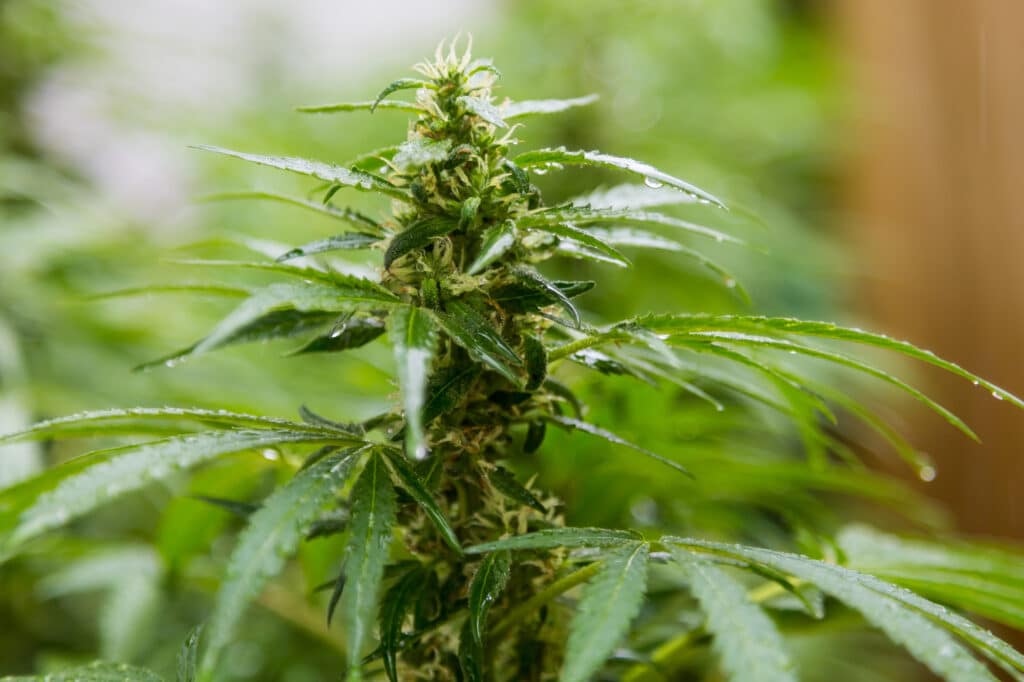
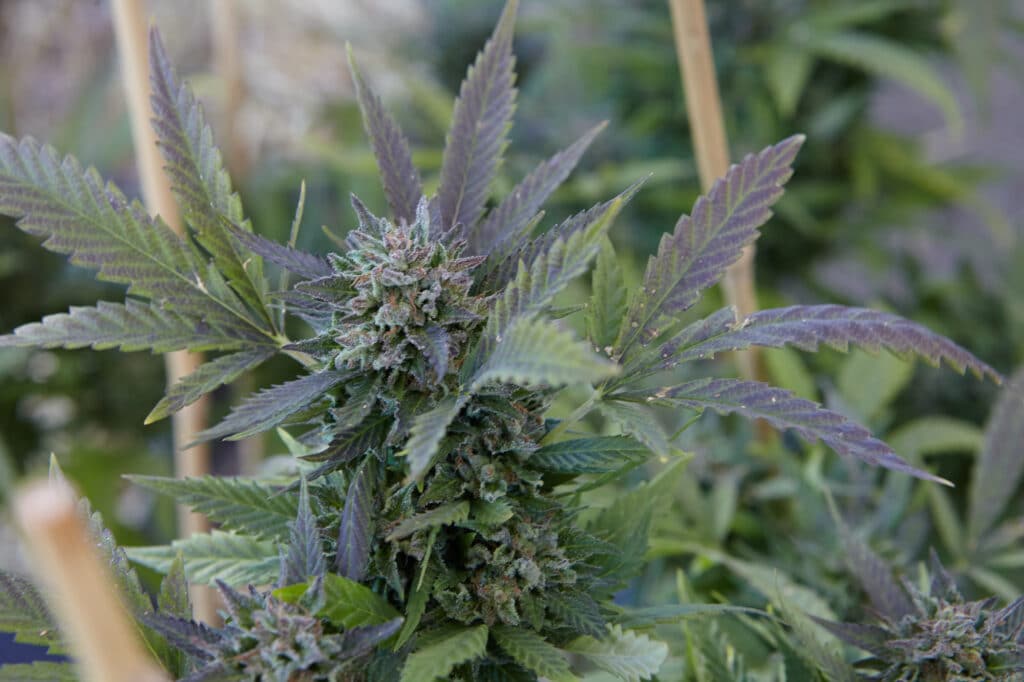
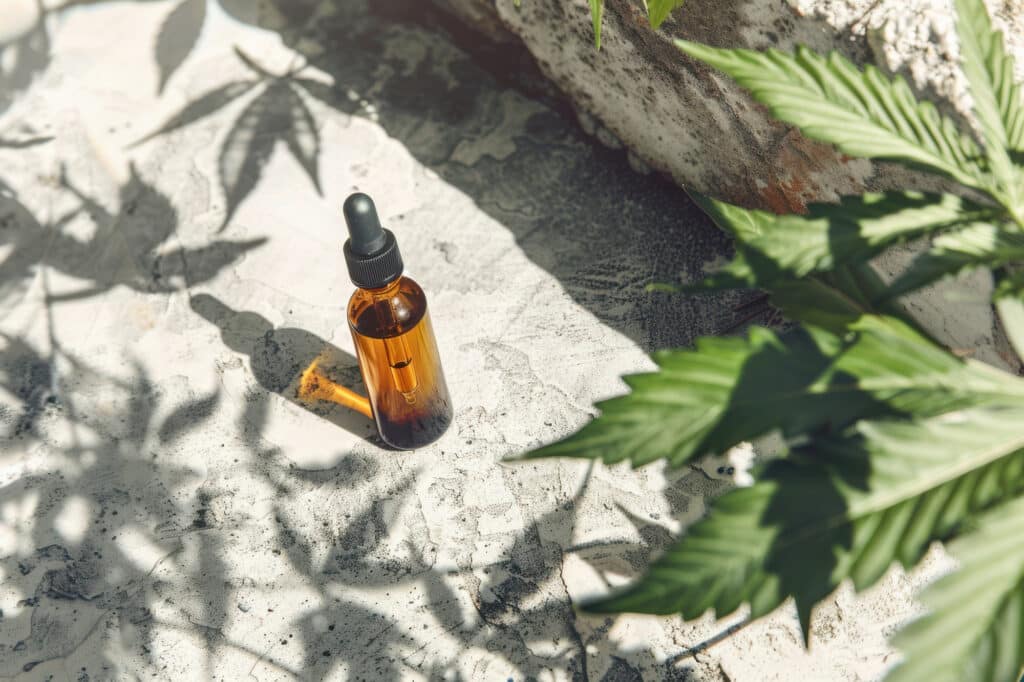
CBD is a natural compound extracted from industrial hemp ( Cannabis sativa ). Unlike THC (tetrahydrocannabinol), it has no psychoactive effects and is legal in many countries. CBD is used for its anxiolytic, analgesic, and anti-inflammatory properties, among others .
The role of the liver in the body
The liver is an essential organ that performs several vital functions:
- Metabolism : It metabolizes carbohydrates, lipids, and proteins.
- Detoxification : It eliminates toxins and metabolic waste.
- Synthesis : It produces plasma proteins and coagulation factors.
- Storage : It stores vitamins, iron, and glucose in the form of glycogen.
- Bile secretion : It produces bile, which is essential for the digestion of fats.
Interaction of CBD with the liver
CBD is metabolized by the cytochrome P450 (CYP450) enzyme system in the liver. This system plays a crucial role in the oxidation of exogenous substances, facilitating their elimination. CBD's interaction with these enzymes can influence how the liver metabolizes other substances.
Potential risks of CBD on the liver
Hepatotoxicity
Animal studies, including a 2019 study on mice, have raised concerns about the liver toxicity of CBD at extremely high doses. Mice given massive doses of CBD showed signs of liver damage. However, these doses far exceed those recommended for humans.
Interaction with liver enzymes
CBD can inhibit certain CYP450 enzymes, affecting the metabolism of other medications. This inhibition can lead to an accumulation of substances in the body, increasing the risk of side effects or drug toxicity.
Potential benefits of CBD for the liver
Hepatoprotective properties
Research suggests that CBD may protect the liver from certain types of damage. It may reduce liver fibrosis and lipid accumulation, two key factors in non-alcoholic fatty liver disease.
Anti-inflammatory effects
CBD possesses anti-inflammatory properties that could be beneficial in cases of hepatitis or other liver inflammations. By modulating the immune response, it could help reduce tissue damage.
Scientific studies and research
Several studies have explored the effects of CBD on the liver:
- Study on liver fibrosis : Research has shown that CBD can reduce the progression of fibrosis in animal models.
- Effects on oxidative stress : CBD may decrease oxidative stress in the liver, thus protecting liver cells.
- Drug interactions : Clinical studies have observed that CBD can alter the pharmacokinetics of certain drugs, requiring dosage adjustment.
Precautions and recommendations
- Consult a healthcare professional : Before starting CBD supplementation, especially if you are taking other medications, it is essential to consult a doctor.
- Follow the recommended dosages : Avoid high doses of CBD without medical supervision.
- Liver monitoring : In case of prolonged use, regular monitoring of liver function may be advised.
- Pay attention to the signs : If you experience symptoms such as extreme fatigue, yellowing of the skin or eyes, consult a healthcare professional immediately.
Conclusion
The effects of CBD on the liver are complex and require further research to be fully understood. While potential risks exist, particularly at high doses, CBD also shows promising benefits for liver health. Responsible use, accompanied by medical advice, can allow users to enjoy the benefits of CBD while minimizing risks.