

What are the most effective herbs against headaches?
Headaches , or secondary symptoms of other conditions, they can significantly impact quality of life. For centuries, nature has offered effective solutions in the form of medicinal plants. Discover the most renowned herbs for relieving headaches and their impact, proven by scientific studies.
Classification of headaches
Headaches fall into two main categories:
- Primary headaches : these are not related to another disease. Among them, migraines and tension headaches are the most common.
- Secondary headaches : these are caused by other conditions, such as infections, trauma, or serious illnesses.
Migraines, often accompanied by nausea, vomiting or hypersensitivity to light, and tension headaches, linked to stress or fatigue, are the most reported types of pain.
Medicinal plants for headaches
Certain plants are renowned for their ability to relieve headaches. These natural remedies, used for centuries, are now supported by clinical studies. Here are the best known:
- Partenella (Tanacetum parthenium)
- Butterbur (Petasites hybridus)
- Valerian (Valeriana officinalis)
- Peppermint (Mentha × piperita)
- Lavender (Lavandula angustifolia)
- Rosemary (Rosmarinus officinalis)
Let us analyze in detail three of these plants: feverfew, butterbur and valerian, which are distinguished by their specific properties and proven effectiveness.
Partenella (Tanacetum parthenium)
Feverfew is a medicinal plant known for its daisy-like flowers. Since ancient times, it has been used to treat ailments such as:
- Fever and inflammation
- Menstrual pain
- Dizziness and cramps
- Headaches and migraines
Studies show that feverfew extracts can reduce the frequency and intensity of migraines. However, the results are mixed: some research confirms its effectiveness, while other studies show effects similar to a placebo. It is mainly consumed in the form of herbal teas, capsules, or tinctures.
Precautions : Feverfew can cause side effects such as bloating or mouth ulcers. It is not recommended for pregnant women or people taking anticoagulants.
Butterbur (Petasites hybridus)
Butterbur, also known as petasites, is a herbaceous plant historically used against the plague and skin ulcers. Its fresh leaves were applied directly to wounds, while its crushed roots were infused to relieve headaches.
Today, studies have confirmed its effectiveness in preventing migraines. However, concerns about its unregulated manufacturing have led organizations like the American Academy of Neurology to withdraw their initial support. In contrast, the Canadian Headache Society continues to recommend its use in certain cases.
Precautions : The long-term use of butterbur has not yet been documented, and further research is needed to better understand its interactions with other drugs.
Valerian (Valeriana officinalis)
Valerian is a medicinal plant well known for its calming effects. It was already used by Hippocrates to treat nervous disorders and insomnia. Today, it is mainly used for:
- Reducing stress : a trigger for tension headaches
- Promoting sleep : essential for preventing chronic migraines
Recent studies have shown that valerian can significantly reduce the frequency of tension headaches. It works by increasing levels of GABA (gamma-aminobutyric acid), a neurotransmitter that regulates nerve activity and promotes relaxation.
Other natural solutions for headaches
Besides medicinal plants, other natural remedies can be considered:
1. Magnesium
A magnesium deficiency can lead to fatigue, irritability, and migraines. Studies show that magnesium supplements can reduce the frequency of migraines, particularly in children and pregnant women.
2. Cold compresses
Applying a cold compress to the forehead helps reduce inflammation and provides quick relief, especially in cases of migraine.
3. Massages
A gentle massage of the neck and temples can reduce muscle tension responsible for tension headaches.
4. CBD (Cannabidiol)
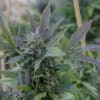
CBD fromthe cannabis plant, is increasingly recognized for its analgesic effects. It can help reduce the intensity of migraines thanks to its anti-inflammatory and relaxing properties. CBD oils and capsules are the most commonly used formats.
Precautions to take
Although plants are natural solutions, they are not suitable for everyone. They are generally not recommended:
- For children under 3 years old
- For pregnant or breastfeeding women
- For people suffering from hypertension or food allergies
In case of frequent or persistent headaches, it is crucial to consult a doctor, especially if the pain is accompanied by fever, vomiting or neurological disorders.
Conclusion
Medicinal plants such as feverfew, butterbur , and valerian offer an interesting alternative for relieving headaches. Combined with natural solutions like magnesium, massage, or CBD, they can treat pain holistically. However, it is essential to identify the underlying cause of the headaches to choose the appropriate treatment.