CBD oil authorized as a food supplement: a turning point for the CBD market
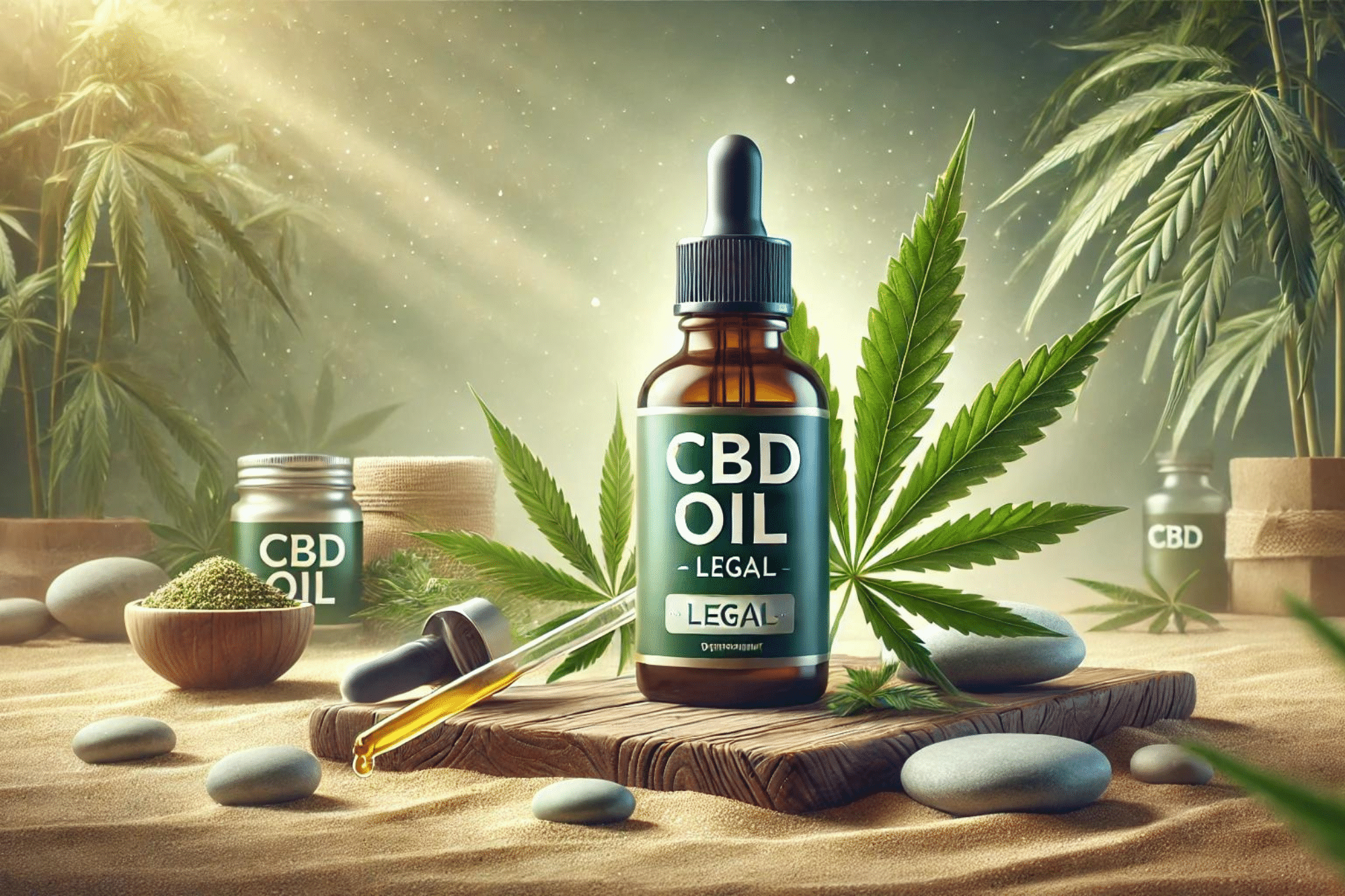
Cannabidiol, commonly known as CBD, has seen its use expand considerably in recent years. Initially popular for its relaxing and therapeutic properties, CBD is now legalized as a food supplement in France, a change that marks a turning point for the industry. This regulatory development not only allows for greater accessibility for consumers but also offers new opportunities for players in the health and wellness market.
A clarified legal framework for CBD
The end of 2023 was a pivotal year for the CBD industry. Thanks to a favorable ruling from French authorities, CBD oils, capsules, and gummies are now recognized as food supplements. This recognition provides a clearer legal framework for cannabidiol products, which were previously subject to complex restrictions.
To be sold as food supplements, CBD oils must meet specific standards. These include registering products on the Téléicare, which ensures compliance with quality and safety standards. These products must be strictly regulated, particularly regarding CBD content and the absence of THC, the psychoactive compound in cannabis. Regulations stipulate that each product must contain less than 0.30% THC to be legal on the French market.
Standardized and secure products
To ensure consumer safety, regulations impose a daily limit of 50 mg of CBD per person. This measure was implemented to prevent the risks of cannabidiol abuse or overdose. Therefore, manufacturers must ensure that their products, whether oils, capsules, or gummies, comply with this standard.
In parallel, CBD product production has also evolved. France now authorizes the local production of hemp for processing into CBD derivatives. This allows French producers to offer CBD oils with cannabidiol concentrations ranging from 10% to 50%, while ensuring that these products comply with the strict standards imposed by health authorities.
To ensure this quality, analyses carried out by independent laboratories may be required to verify the composition of the products, particularly to guarantee the absence of THC. This new regulation offers consumers complete transparency regarding the composition of the products they purchase, thus fostering a relationship of trust between brands and their customers.
The expansion of distribution points
One of the major changes brought about by the legalization of CBD as a food supplement lies in the reorganization of the market. Until recently, CBD products were primarily sold in specialty shops. However, since 2024, pharmacies have been authorized to sell CBD-based food supplements, including sublingual oils.
This decision has had a significant impact on the distribution of CBD products. Pharmacies, already enjoying established legitimacy and public trust, have become preferred points of sale for these products. This has gradually reduced the number of specialized shops, while offering consumers a new, more regulated alternative.
Meanwhile, online sales of CBD products continue to grow, offering consumers easier and more convenient access to cannabidiol-based dietary supplements. Brands must now comply with strict online sales regulations, ensuring that products meet legal standards, even on digital platforms.
Labeling and transparency are at the heart of regulation
One of the key aspects of this new regulation concerns product labeling. Manufacturers of CBD food supplements must provide detailed and accurate information on recommended dosages and the ingredients in their products. This transparency is crucial to ensuring consumer safety and enabling them to choose products suited to their needs.
In addition to this information requirement, the products now benefit from a reduced VAT rate of 5.5%. This reduction not only makes CBD products more financially accessible, but also helps to strengthen the image of transparency and reliability of CBD manufacturers.
CBD products for animals: still awaiting clear regulations
While the use of CBD oils for humans has benefited from more lenient regulation, the situation for pets remains unclear. A growing number of pet owners, particularly those with dogs and cats, are interested in the potential benefits of CBD for their companions, whether for relieving stress, anxiety, or chronic pain.
However, CBD products for animals are not yet subject to clear legislation. The regulation of these products is still the subject of debate between health authorities and veterinarians, who are particularly concerned about the potential long-term effects of CBD on animals. Thus, although demand is increasing, especially among veterinarians, manufacturers are still awaiting a precise legal framework to be able to offer these products legally.
The future of the CBD market in France
The easing of regulations surrounding CBD in France opens up new opportunities for the industry. With the official recognition of cannabidiol-based products as food supplements, the market is becoming more clearly structured, and consumers benefit from a more varied, regulated, and safe range of products.
However, this booming market is still in a transitional phase. While pharmacies are gradually taking over the sale of CBD products, specialty shops must reinvent themselves to maintain their market share. Online distribution, meanwhile, continues to grow, making these products more accessible to an ever-expanding customer base.
In conclusion, the future of CBD as a food supplement looks promising, driven by growing demand and evolving regulations. The market is now more transparent, safer, and better regulated, which should lead to even greater widespread adoption of these products, particularly in rapidly expanding sectors such as animal care.
At Buddha Farm’s, we are committed to offering you the highest quality CBD products, compliant with all applicable regulations, to guarantee your well-being and satisfaction. Our CBD oils are carefully formulated, with concentrations tailored to meet all your needs, and are available now in our stores and online shop.