
Everything you need to know about CBD bioavailability
Bioavailability , and speed of action of cannabidiol, which directly influences user satisfaction and perceived effectiveness.
What is Bioavailability and Why Is It Crucial?
Bioavailability represents the percentage and rate at which a substance is absorbed by the human body after administration. This is particularly significant for cannabidiol (CBD), where higher bioavailability means that a greater amount of CBD directly enters the bloodstream and is therefore usable by the body. Depending on the method of administration, bioavailability varies considerably, thus impacting the effects experienced, their intensity, and their duration.
The Different Methods of CBD Administration and Their Impact on Bioavailability
Each method of CBD administration affects its absorption and, consequently, its bioavailability. Here is an overview of the main methods and their respective effectiveness:
Sublingual Administration: Drops and Oral Sprays
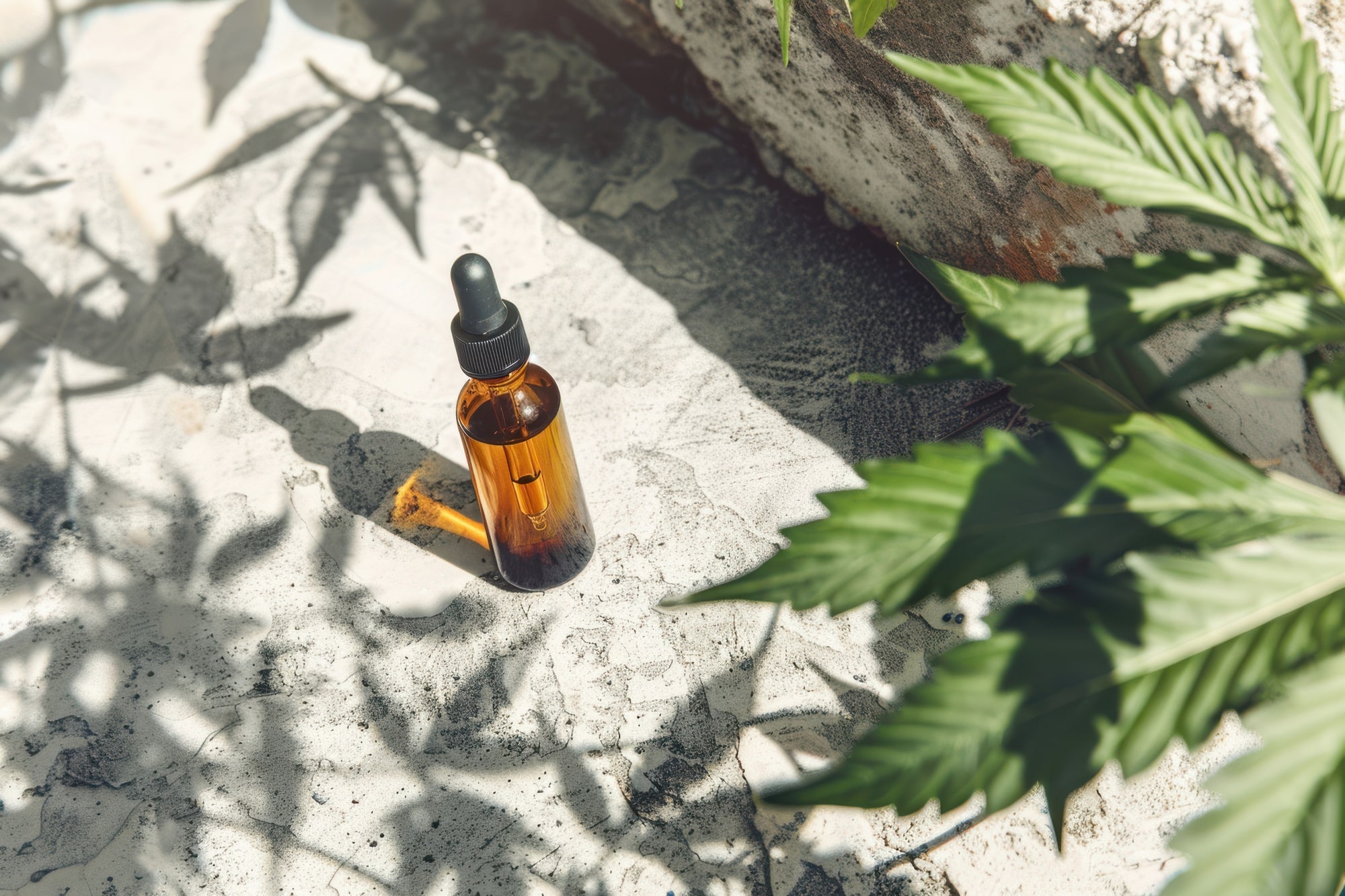
Sublingual administration, which includes drops and oral sprays, involves placing CBD under the tongue for direct absorption through the mucous membranes. This method bypasses the digestive tract and liver, thus minimizing CBD loss. With a bioavailability of up to 35%, the effect is rapid, typically appearing within 15 to 30 minutes, with the effects lasting approximately 4 hours.
Tips for optimizing sublingual administration:
- Use a high-quality carrier oil.
- Hold the CBD under your tongue for at least 30 seconds.
- Take CBD after a meal to maximize absorption.
Oral Ingestion: CBD-Enriched Capsules, Capsules, and Foods
Oral ingestion remains a popular method despite lower bioavailability, ranging from 6% to 20%. CBD taken orally must pass through the digestive system and be metabolized by the liver, where a significant portion of the active substance is lost. This process also delays the onset of effects, which typically occur between 1 and 2 hours after ingestion, but allows for a prolonged action lasting several hours.
Optimizing bioavailability through ingestion:
- Take CBD with fatty foods to improve its absorption.
- Opt for formulations enriched with lipids.
Inhalation: Vaping and Smoking
Inhalation, whether by vaping or smoking, is a method of administration that offers high bioavailability, sometimes reaching 50%. When inhaled, CBD passes directly into the lungs and then into the bloodstream, bypassing the digestive system, allowing for rapid absorption, often within 5 minutes of inhalation.
Advantages and precautions:
- Vaping: Less risky than smoking for the respiratory system.
- Smoking: Offers high bioavailability but exposes the lungs to smoke toxins.
Nasal Administration
Nasal spray is a fast and effective alternative, with higher bioavailability than oral sprays. By passing directly through the nasal mucosa, CBD is absorbed more quickly and in greater quantities than orally. The effects are noticeable within 10 minutes, making this method an excellent choice for rapid action.
Transdermal Administration: Patches and Creams
Transdermal patches and creams are options that release CBD gradually through the skin, allowing for a prolonged effect. However, due to CBD's fat-soluble properties, its absorption through the skin is limited unless combined with agents like ethanol to enhance penetration. This type of administration is particularly well-suited for localized applications, such as muscle pain and chronic inflammation.
Advantages of transdermal patches:
- Continuous and stable release.
- Ideal for localized and chronic pain.
Factors Affecting CBD Bioavailability
Besides the method of administration, various external and internal factors influence the bioavailability of CBD. Here are the main elements to consider:
User Health Status
Physical condition, particularly liver function and gastrointestinal health, directly affects the bioavailability of CBD. For example, people with liver problems may metabolize CBD differently, which can slow its absorption and limit its effectiveness. It is advisable to consult a doctor if you are undergoing medical treatment before adding CBD to your routine.
Dosage and Individual Sensitivity
The dose of CBD influences the amount absorbed by the body. Proper dosage is essential to maximize the effect of CBD while avoiding saturation, where an excessive dose can actually reduce its effectiveness. Individual sensitivity, influenced by genetic factors, body weight, and metabolism, must also be considered when adjusting the dosage.
Presence of Piperine
Piperine , a compound found in black pepper, is increasingly recognized for its role in improving the bioavailability of many substances, including CBD. Studies show that combining CBD with piperine can increase its absorption up to sixfold, making this combination particularly beneficial for maximizing the therapeutic effects of cannabidiol .
Nutrition and Digestion
Taking CBD with a high-fat meal significantly increases its bioavailability. This is because CBD, being a fat-soluble molecule, binds more readily to dietary fats, facilitating its absorption into the bloodstream. Foods rich in omega-3 fatty acids, such as oily fish, nuts, and seeds, are ideal for this purpose.
Thermal treatment
The production method and heat treatment of CBD directly influence its bioavailability. Excessive heating of CBD can transform it into less active forms, reducing its potency. Therefore, it is advisable to choose high-quality products extracted using gentle methods such as CO₂ extraction to preserve the effectiveness of CBD.
Conclusion
Bioavailability is a crucial factor in optimizing CBD use and achieving desired results. Choosing the right administration method, adjusting the dosage to your individual needs, and understanding the factors that influence absorption helps maximize the beneficial effects of cannabidiol. Whether you opt for sublingual drops, vaping, or transdermal patches, it's essential to listen to your body to determine the most appropriate method and dosage.