Cannabis and pregnancy: What you need to know about the risks and effects
In a context of increasing legalization of cannabis for recreational and medicinal purposes in many parts of the world, the issue of cannabis use during pregnancy is raising serious concerns. While some pregnant women report using cannabis to manage symptoms such as morning sickness or stress, experts warn of the potential risks to both mother and fetus. In this article, we will explore why some women turn to cannabis during pregnancy, the associated risks for both mother and child, and frequently asked questions surrounding this sensitive topic.
Why do some women use cannabis during pregnancy?
Pregnancy is a time that can be accompanied by many discomforts: nausea, vomiting, pain, anxiety, and insomnia are all symptoms that some women seek to alleviate. Cannabis is sometimes seen as a natural alternative to medication, which can lead some expectant mothers to use it. Here are the main reasons:
- Managing morning sickness : Cannabis, particularly its THC content, is known to alleviate nausea. However, while some cannabinoid-based medications are used in oncology to manage nausea caused by chemotherapy, no studies have proven the effectiveness or safety of cannabis for relieving nausea during pregnancy.
- Pain relief : Some women use cannabis to manage chronic pain or specific pain related to pregnancy. In some cases, it is seen as a less risky alternative to opiates. However, it is important to note that THC, the psychoactive component of cannabis, crosses the placenta and could affect fetal development.
- Reducing anxiety and insomnia : Pregnancy can cause hormonal changes that contribute to anxiety and sleep disturbances. The relaxing properties of cannabis, particularly CBD-rich strains, may seem appealing for alleviating these symptoms, although the lack of specific studies on pregnancy raises many concerns.
Methods of use and their potential risks
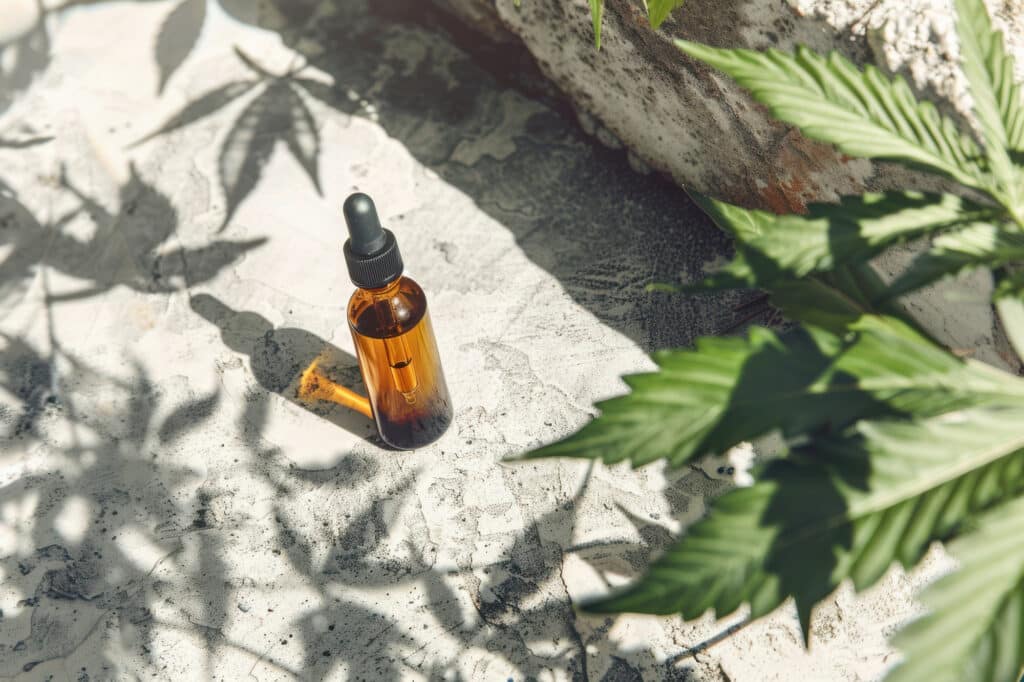
Some women choose to consume cannabis in forms other than tobacco, such as vaporization, edibles , or tinctures, to minimize the effects of toxins associated with combustion. However, even without smoke, THC and other cannabinoids enter the mother's bloodstream and reach the fetus through the placenta.
Cannabinoids , especially THC, can interfere with fetal nutrition and oxygenation, and some experts point to potential adverse effects on neurological development. While CBD is considered less risky than THC, research on the impact of this non-psychoactive cannabinoid during pregnancy is limited, and doctors remain cautious about its safety.
Risks of cannabis use for mother and child
- For the mother : Cannabis use may increase the risk of anemia in pregnant women. A 2015 study published in the British Medical Journal found that women who used cannabis before or during pregnancy were more likely to suffer from anemia. Furthermore, THC can cause side effects such as dizziness, a drop in blood pressure, and an increased heart rate, which can pose risks to the mother's health.
- For the fetus : Studies show that babies exposed to THC in utero may experience developmental abnormalities. THC crosses the placenta, exposing the fetus to a concentration of cannabinoids that could affect growth and brain development. Some research has observed lower birth weight, abnormal reflexes, and an increased tendency toward prematurity in babies born to mothers who used cannabis during pregnancy.
- Long-term neurological effects : Follow-up studies have shown that children exposed to cannabis before birth may develop cognitive and behavioral problems, such as attention difficulties, hyperactivity, and lower academic performance. Although these effects vary from child to child, the scientific consensus recommends avoiding all cannabis exposure during pregnancy.
After childbirth: Cannabis and breastfeeding
Some mothers choose to use cannabis after giving birth, sometimes even while breastfeeding, believing it won't have a significant impact. However, THC is fat-soluble and easily passes into breast milk, thus exposing the infant to cannabinoids. A 2018 study found that breast milk samples from women who used cannabis contained THC several hours after consumption.
Although the exact effects on infants remain poorly understood, experts recommend caution. An infant's brain is still growing and developing, and early exposure to THC could affect their cognitive functions and long-term psychomotor development.
What about CBD during pregnancy?
Many women are turning to CBD, a non-psychoactive cannabinoid, for its anti-anxiety and anti-nausea properties. While CBD is often perceived as less risky, studies are lacking to assess its potential impact on fetal development. Some preliminary research suggests that CBD may reduce uterine contractions, but this needs more evidence to be confirmed. Until more in-depth studies are conducted, doctors remain cautious about the safety of CBD during pregnancy.
Frequently Asked Questions about Cannabis and Pregnancy
- Is it common for women to use cannabis during pregnancy?
Yes, estimates vary between 3% and 30% of pregnant women who use cannabis. The exact percentage is difficult to establish, as many women are reluctant to admit their use, particularly in countries where cannabis remains illegal. - What are the benefits of cannabis during pregnancy?
Some women claim that cannabis helps relieve nausea, anxiety, pain, and sleep disturbances. However, studies show that the risks to the fetus may outweigh the potential benefits, making cannabis use during this time controversial. - Is cannabis use during pregnancy dangerous?
Potential risks include complications for the mother, such as anemia, and developmental problems for the fetus, such as prematurity and long-term attention deficit disorders. - What are the alternatives to cannabis for pregnant women?
Pregnant women are advised to consult their doctor for safe alternatives to manage unpleasant pregnancy symptoms. Appropriate treatments and medical supervision are the best options for the safety of both mother and child.
Conclusion
Although cannabis is considered a natural solution by many, its use during pregnancy presents potential risks for both mother and child. The lack of sufficient research on the subject, particularly regarding CBD, leads experts to recommend caution. Pregnant or breastfeeding women considering cannabis use are advised to consult a healthcare professional to find safe alternatives.