

Attention-deficit/hyperactivity disorder (ADHD) is a mental health condition affecting many people worldwide. It is characterized by difficulty maintaining attention, impulsive behaviors, and hyperactivity. While conventional treatments include medications that stimulate the central nervous system, a growing number of people are turning to natural alternatives like cannabidiol (CBD) to manage ADHD symptoms. This article explores the use of CBD to treat ADHD, highlighting its beneficial effects and therapeutic potential.
What is ADHD?
ADHD is a neurodevelopmental disorder that typically begins in childhood and can persist into adulthood. It is generally classified into three main types:
- Type of inattention : Difficulty maintaining attention, organizing tasks, and following instructions.
- Hyperactive-impulsive type : Impulsive behaviors and difficulty staying still.
- Combined type : A mixture of the two previous types.
The symptoms of ADHD can significantly impact an individual's quality of life, affecting their academic and professional performance, as well as their social relationships. Current treatments include medications such as methylphenidate and amphetamines, but these drugs have side effects such as insomnia, loss of appetite, and anxiety. It is in this context that CBD is gaining popularity as a natural alternative.
CBD: What is it and how does it work?
Cannabidiol, or CBD, is a compound derived from the cannabis plant. Unlike tetrahydrocannabinol (THC), CBD does not produce a psychoactive effect. This means it does not alter perception or cognition, but interacts with the endocannabinoid system (ECS), a complex network of receptors found throughout the body.
The ECS regulates several essential biological functions, such as mood,memory, pain, and sleep. By modulating ECS receptors, CBD could help rebalance some functions affected by ADHD, including concentration and hyperactivity.
The link between ADHD and anxiety: How does CBD help?
Anxiety is a common symptom associated with ADHD, particularly in adults. Individuals with ADHD may experience excessive stress related to their difficulty concentrating or their impulsivity. CBD is known for its anxiolytic properties, meaning it may help reduce stress and anxiety.
Studies have shown that CBD influences serotonin, a neurotransmitter essential for mood regulation. By increasing serotonin availability, CBD may improve emotional well-being and help people with ADHD better manage their anxiety, thereby improving their concentration.
Does CBD improve attention and concentration?
Although CBD is not a stimulant like conventional ADHD medications, it can still help improve attention and focus. CBD interacts with dopamine receptors, which can indirectly increase dopamine levels in the brain. Dopamine is a crucial neurotransmitter for motivation and attention.
Some preliminary studies suggest that CBD may help regulate brain activity, promoting better focus and reducing scattered thoughts, characteristic of ADHD.
The potential benefits of CBD for people with ADHD
Using CBD as a complement to or alternative to traditional ADHD treatments offers several potential advantages:
- Anxiety reduction : As mentioned previously, CBD has anxiolytic properties that can help people with ADHD manage their stress.
- Sleep improvement : Many people with ADHD suffer from sleep disorders. CBD is known for its calming effects, which can promote easier sleep onset and deeper sleep.
- Impulsivity reduction : By balancing neurotransmitters in the brain, CBD could help reduce impulsive behaviors often associated with ADHD.
- Fewer side effects : Unlike stimulant drugs, CBD does not have side effects such as insomnia or loss of appetite, making it safer to use in the long term.
Research on CBD and ADHD: What the studies say
While the use of CBD to treat ADHD shows promise, research is still limited. Most studies focus on CBD's anxiolytic and anti-inflammatory properties, but a growing number of investigations are exploring its therapeutic potential for ADHD.
A 2017 study published in "European Neuropsychopharmacology" found that adults with ADHD who used cannabis experienced a reduction in symptoms related to hyperactivity and impulsivity. However, this study highlights the need for further research, as a direct link between pure CBD and ADHD remains to be confirmed.
Legal and medical considerations of CBD use
In France, the use of CBD is legal as long as the product contains less than 0.3% THC, in accordance with European legislation. However, before starting any treatment, it is recommended to consult a healthcare professional, especially for children and adolescents with ADHD.
How to use CBD to treat ADHD?
If you are considering using CBD to manage ADHD symptoms, several product forms are available, including:
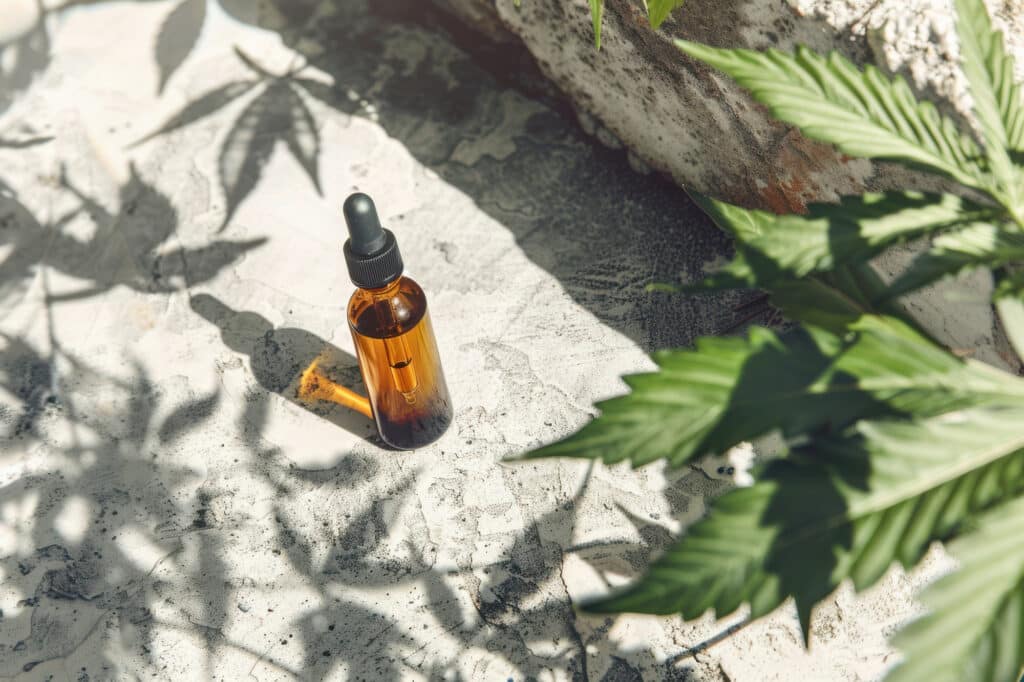
- CBD oils : Oils are one of the most popular forms because they allow for precise dosing. They can be taken under the tongue for rapid absorption.
- CBD capsules : Convenient and easy to take, they offer a discreet option for those who do not like the taste of CBD oil.
- Edibles (edible products) : These products include CBD-infused candies, chocolates or gummies, which provide a fun method of consumption.
- Vaporizers and e-liquids CBD : Vaporizers offer rapid absorption of CBD, but they are not suitable for everyone, especially young adults with ADHD.
The dosage of CBD should be tailored to each individual, depending on their weight, metabolism, and the severity of their symptoms. It is always advisable to start with a low dose and gradually increase it until the desired effect is achieved.
Conclusion: CBD, a promising natural alternative for ADHD
CBD represents a promising natural alternative for people with ADHD, particularly due to its anxiolytic effects, sleep-regulating properties, and potential to improve concentration without the side effects of traditional medications. While further research is needed to confirm its effectiveness in treating ADHD, many people are already finding relief with this natural cannabinoid.