🚚 Free shipping on orders over €25 | 🎁 10% off with code FIDEL10 | 📦 3-pack (same weight) = 20% off | 🔥 Back-to-school clearance: Buy one, get one free on selected items


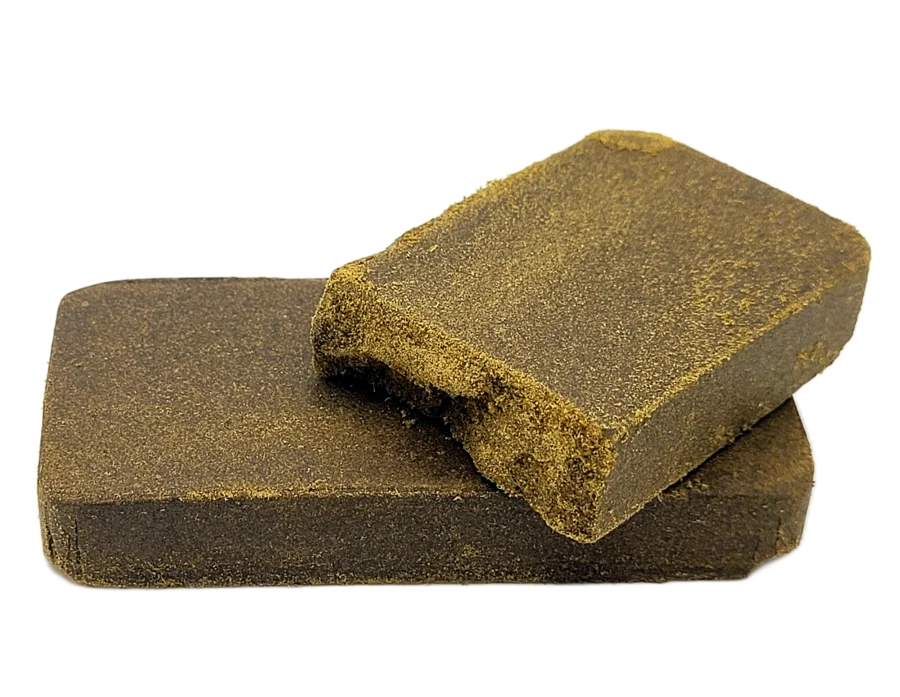
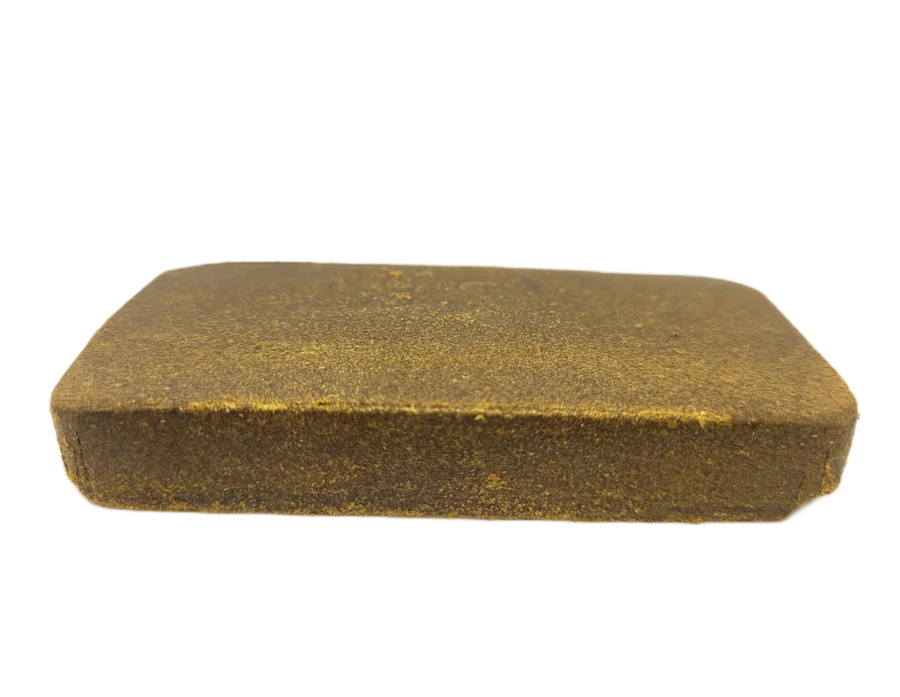
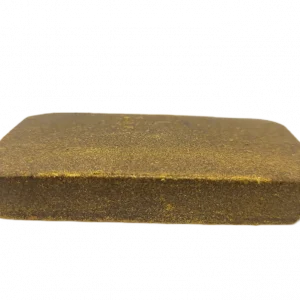
HHC Resin
Discover HHC resin, created from the hydrogenation of certain cannabinoids from the CBD flower
Share :
Best consumed primarily in the evening, strong product
In 1944, American chemist Roger Adams created HHC by adding hydrogen molecules to Delta-9 THC. This process is known as hydrogenation. Hydrogenation is not a unique technique used in the cannabis industry. The same hydrogenated cannabinoids are used to convert butter into margarine to improve the shelf life of food products. Adams initially applied this technique to THC derived from marijuana plants, but since the 2018 Farm Bill legalized cannabis crops containing less than 0.3% Delta-9 THC, more and more manufacturers are applying cannabinoid hydrogenation to CBD to produce HHC.
While Adams createdHHC from conventional THC derived from cannabis, nowadays the cannabinoid is generally derived through a process that begins with hemp, the low-THC cannabis plant, CBD.
It's a multi-step process. First, CBD is extracted from raw hemp, distilled, and isolated into a powder. From there, things get a little more complicated.
Advantages of hydrogenated cannabinoids
A major advantage of hydrogenation is that it provides stability at the molecular level, contributing to both shelf life and heat resistance. Hydrogenation is a chemical transformation of unsaturated compounds to improve their stability and resistance to thermo-oxidative degradation, which occurs when these compounds are exposed to air. This is why you cannot leave cooking oils on the counter in direct sunlight, as this reaction will eventually cause them to turn rancid. Hydrogenation improves oxidation stability by eliminating unsaturation.
| Quantity | 1 gram, 2 grams, 5 grams, 10 grams |
|---|
You might also like...