

CBD for Sleep: Reviews on its Effectiveness and Practical Advice
CBD that explores the link between CBD and sleep in depth!
What is CBD?
CBD, also known as cannabidiol, is one of many natural compounds found in industrial hemp, a variety of cannabis. Unlike THC (tetrahydrocannabinol), this molecule has no psychoactive or intoxicating effects. CBD is a non-psychoactive compound that does not alter consciousness or perception of reality.
Cannabidiol interacts with the body's endocannabinoid system, a vast network of receptors and signaling molecules involved in various essential physiological processes. This system plays a crucial role in regulating many functions, including sleep, mood, pain, inflammation, and appetite. CBD works by indirectly binding to CB1 and CB2 endocannabinoid receptors, as well as other receptors and ion channels. This interaction allows the molecule to influence various signaling pathways, which can help restore the body's internal balance (homeostasis).
It is important to note that CBD comes primarily from a variety of cannabis low in THC (less than 0.3% THC).
What are sleep disorders and their causes?
Sleep disorders are extremely widespread in modern society. They can have serious consequences for both physical and mental health. Insomnia, characterized by persistent difficulty falling asleep, staying asleep, or getting restful sleep, is one of the most common sleep disorders. It is estimated that approximately 30% of adults suffer from it to varying degrees.
Beyond insomnia, other sleep disorders can also disrupt the quality of rest, such as sleep apnea, disturbances related to circadian rhythms or involuntary movements during sleep.
These disorders can have various causes, both physiological and environmental. Chronic stress, anxiety, and depression are often key factors, as they disrupt the production and regulation of sleep hormones, such as melatonin. Chronic pain, medications, unhealthy lifestyle habits, and certain underlying health conditions (respiratory disorders, neurological diseases) can also contribute to sleep disturbances.
It is essential to understand that sleep is a complex process, regulated by multiple interconnected physiological systems. A disruption at any level can negatively impact the quality and duration of sleep.
The Mechanisms of Action of CBD on Sleep
CBD appears to exert its beneficial effects on sleep through several distinct but interconnected mechanisms of action. First, the substance interacts with receptors in the endocannabinoid system, a key system in regulating sleep-wake cycles. CBD binds indirectly to CB1 and CB2 receptors to modulate their activity, thereby restoring balance to endocannabinoid levels—signaling molecules essential for regulating sleep.
By acting on this system, CBD could promote deeper, more restorative sleep. Furthermore, cannabidiol has proven anxiolytic and antidepressant properties. This can help reduce anxiety and stress, two major factors in sleep disorders, and thus create an environment conducive to peaceful sleep.
CBD may also act on certain neurotransmitters involved in sleep regulation, such as serotonin and dopamine. By modulating their levels, it can improve sleep quality and make it easier to fall asleep. Finally, CBD's anti-inflammatory and analgesic properties could relieve chronic pain that can disrupt sleep. By reducing inflammation and pain, the molecule can create an environment more conducive to peaceful and uninterrupted sleep.
Some Scientific Studies on CBD and Sleep
Although studies on the impact of CBD on sleep are still relatively recent, considerable research has already been conducted to assess its potential effectiveness. A 2017 study of patients with insomnia found that the molecule could increase total sleep time and reduce insomnia-related symptoms. Researchers observed a significant improvement in sleep quality scores after one month of CBD treatment.
Another study published in 2019 in The Permanente Journal examined the effects of CBD on sleep and anxiety in 72 adults. Participants were randomly assigned to receive either cannabidiol or a placebo for one month. The results indicated that CBD use was associated with a significant improvement in sleep quality, with a reduction in insomnia symptoms and an increase in total sleep time.
However, it is important to note that these studies have generally been conducted on small samples. Further research on a larger scale is needed to confirm these promising results and better understand the underlying mechanisms.
How to Consume CBD to Sleep Well?
There are various ways to consume CBD to promote restful sleep. CBD oils, capsules, gummies, and vaporizers are among the most popular and convenient forms. Each of these options has its advantages and disadvantages.
CBD Oils
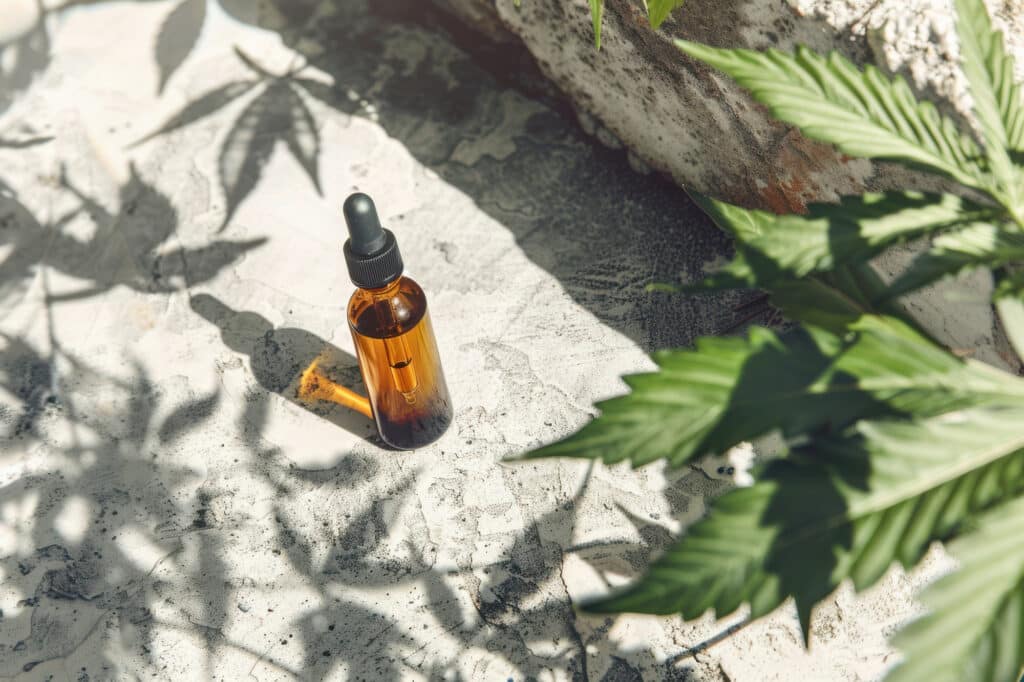
CBD oils are probably the most common and versatile form. They can be taken directly under the tongue (sublingually) or mixed with food or drinks. CBD oil allows for precise dosing and acts quickly thanks to its easy absorption into the bloodstream.
CBD Capsules
CBD capsules are a convenient option for those who prefer a more traditional and standardized method. They offer a slower and more gradual release of CBD into the body, which may suit some users.
Erasers and Sprays
Gummies Gummies release CBD into the oral cavity, while vaporizers promote direct pulmonary absorption.
Regardless of the form chosen, it is recommended to consume CBD approximately one hour before bedtime for optimal sleep benefits. Dosages may vary depending on the individual, the severity of sleep disturbances, and the CBD concentration of the product. It is generally advisable to start with low doses (5 to 20 mg) and gradually adjust based on the effects experienced.
Some Precautions and Contraindications to Know
Although CBD is generally well-tolerated and considered safe at standard doses, it's important to take certain precautions. It's also advisable to consider potential contraindications before using it.
Cannabidiol (CBD) can interact with certain medications, particularly those metabolized by the same liver enzyme system (cytochrome P450). By modulating the activity of these enzymes, CBD can alter the blood concentrations of some medications, potentially leading to side effects or reduced effectiveness. Therefore, it is essential to consult a healthcare professional before combining CBD with other medications.
Furthermore, cannabidiol is not usually recommended for pregnant or breastfeeding women. This is due to a lack of data on its long-term effects on fetal or infant development. As a precaution, it is best to avoid using CBD during these crucial periods.
CBD appears to be a promising option for promoting quality sleep and combating sleep disorders. Although research is still ongoing, preliminary studies suggest that the molecule may act on various sleep-related mechanisms, such as reducing anxiety, inflammation, and pain.
However, it is essential to consult a healthcare professional before using CBD to ensure its safety and determine the appropriate dosage based on specific needs. It is also important to choose quality products from reliable sources.
By taking these precautions and adopting an informed approach, CBD could become a valuable ally for those seeking to improve their sleep and overall well-being.