
Introduction
Parkinson's disease is a serious neurodegenerative disorder affecting millions of people worldwide. Characterized by the progressive loss of dopaminergic neurons in the brain, this disease leads to motor symptoms such as tremors, muscle rigidity, and slowness of movement. In addition, it can cause non-motor symptoms like depression, anxiety, and sleep disturbances, severely impacting patients' quality of life. In the ongoing search for effective treatments, cannabidiol (CBD), a non-psychoactive compound extracted from cannabis, stands out as a promising option for supporting people with Parkinson's. This article explores the potential of CBD in managing the symptoms of this complex disease.
Understanding CBD and its Properties
What is CBD?
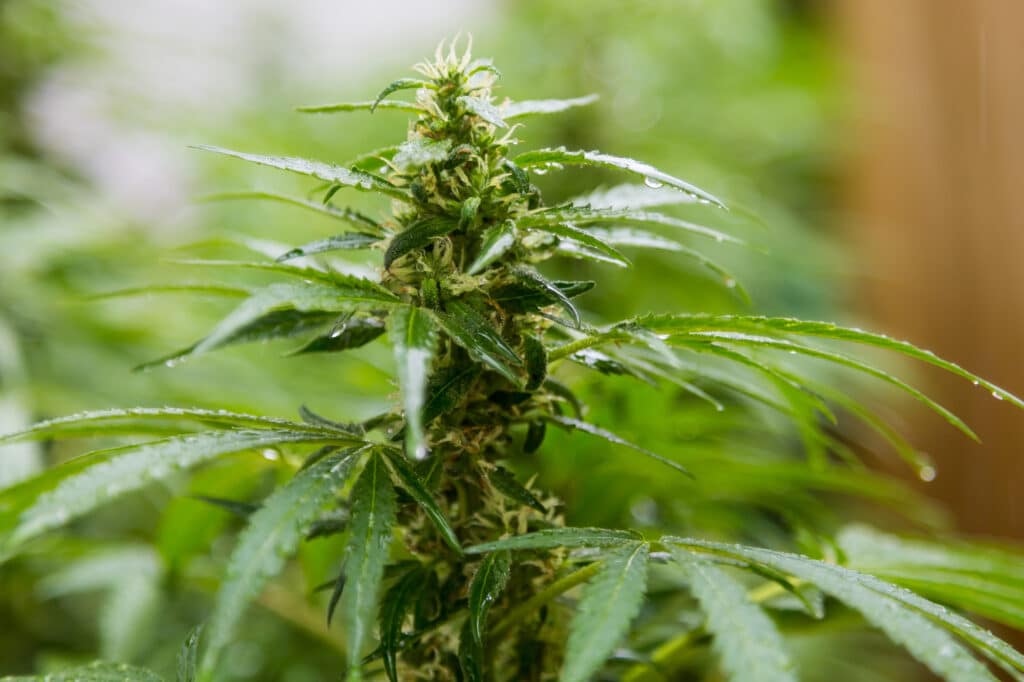
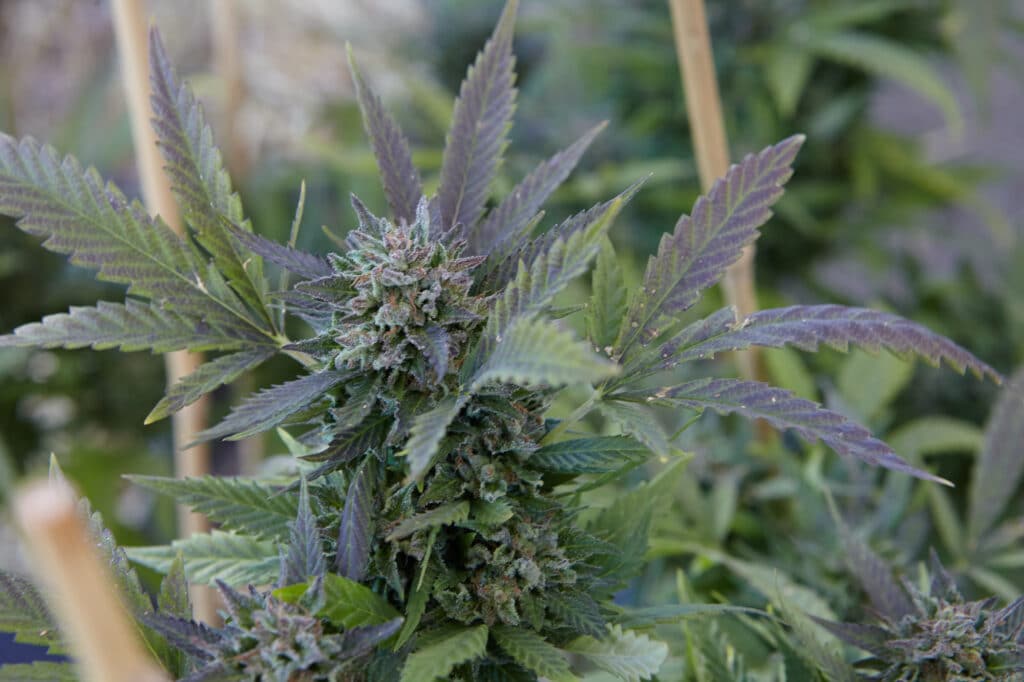
CBD, or cannabidiol , is one of the many cannabinoids found in the cannabis plant. Unlike THC (tetrahydrocannabinol), the main psychoactive component of cannabis, CBD does not produce psychotropic effects, meaning it does not alter the user's state of consciousness. A growing body of research suggests that CBD may have therapeutic effects for various medical conditions, including Parkinson's disease.
The Mechanisms of Action of CBD
CBD interacts with the body's endocannabinoid system, a complex network of receptors and neurotransmitters that regulate various physiological processes such as pain, mood, sleep, and the immune system. CBD appears to primarily influence CB1 and CB2 receptors in the brain, as well as other molecular targets such as serotonin receptors and TRPV1. These interactions may offer potential benefits in reducing some of the symptoms associated with Parkinson's disease.
Potential Impact of CBD on Parkinson's Disease Symptoms
Reduction of Motor Symptoms
Some Parkinson's patients report that using CBD helps reduce tremors and muscle rigidity, and improves their overall motor skills. While clinical studies are still limited, several studies have shown that CBD may offer a significant reduction in motor symptoms for some individuals. The anti-inflammatory and neuroprotective effects of CBD may play a significant role in these improvements.
Improvement of Non-Motor Symptoms
Non-motor symptoms such as anxiety, depression, and sleep disturbances are often overlooked but represent a significant part of the burden of Parkinson's disease. CBD has been shown to possess anxiolytic and antidepressant properties, which could be beneficial in treating these non-motor aspects. Furthermore, preliminary studies indicate that CBD may help regulate sleep cycles, contributing to better quality sleep for people with Parkinson's.
Scientific Studies and Results
Clinical Trials on CBD and Parkinson's Disease
Although much of the evidence remains anecdotal, there is a growing number of clinical trials exploring the potential benefits of CBD for Parkinson's disease. For example, a study conducted by the University of São Paulo found that 300 mg of CBD administered daily over a six-week period reduced insomnia and anxiety in participants with Parkinson's.
Preclinical Results
In addition to clinical trials, several animal studies have shown that CBD may have neuroprotective effects that slow the progression of neurodegenerative diseases such as Parkinson's disease. For example, one study using animal models demonstrated that CBD could mitigate neuronal damage caused by toxic substances mimicking the effects of Parkinson's disease.
How to Use CBD for Parkinson's Disease
Different Forms of CBD
There are different forms of CBD available for consumption:
- CBD oil : usually taken under the tongue for rapid absorption.
- Capsules and Tablets : practical for precise dosing.
- Sweeteners and Infusions : easy to incorporate into daily meals.
- Topicals : creams and ointments applied directly to the skin to relieve specific pain.
Dosage and Precautions
Determining the correct CBD dosage is crucial and can vary from person to person. It is recommended to start with a low dose and gradually increase it until the desired effect is achieved. It is also essential to consult a healthcare professional before starting any CBD treatment, as CBD may interact with other medications used to treat Parkinson's disease.
Current Barriers and Limitations
Limited Search
Despite encouraging evidence, research on CBD for Parkinson's disease is still in its early stages. More long-term studies are needed to fully understand the efficacy and safety of CBD in this context. Many current studies are limited by small sample sizes and varying methodologies.
Regulatory Issues
Legislation regarding CBD varies greatly from country to country, and even from region to region. This complicates patient access to CBD products and makes it difficult for researchers to conduct rigorous, controlled studies. The stigma surrounding the use of cannabis derivatives also continues to be an obstacle to the popularization and acceptance of CBD as a legitimate treatment option.
Conclusion
CBD is emerging as a promising avenue for managing the symptoms of Parkinson's disease. While research is still in its early stages, initial evidence suggests that CBD may help reduce both the motor and non-motor symptoms of this complex condition. Pending further studies, it is essential for patients and healthcare professionals to stay informed about scientific advancements and consider CBD as a potential complementary option. At Buddha Farm, we are dedicated to providing accurate information and high-quality products to help our customers explore the potential benefits of CBD.